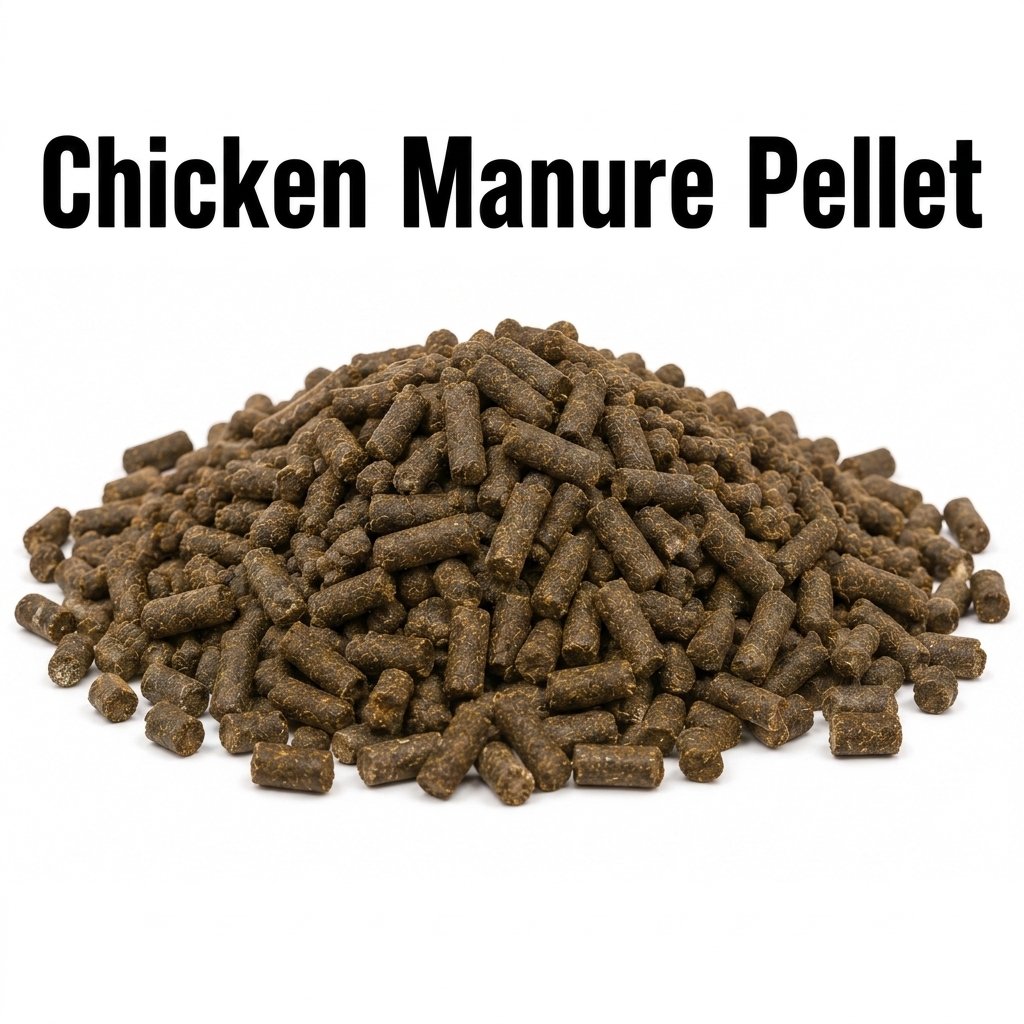
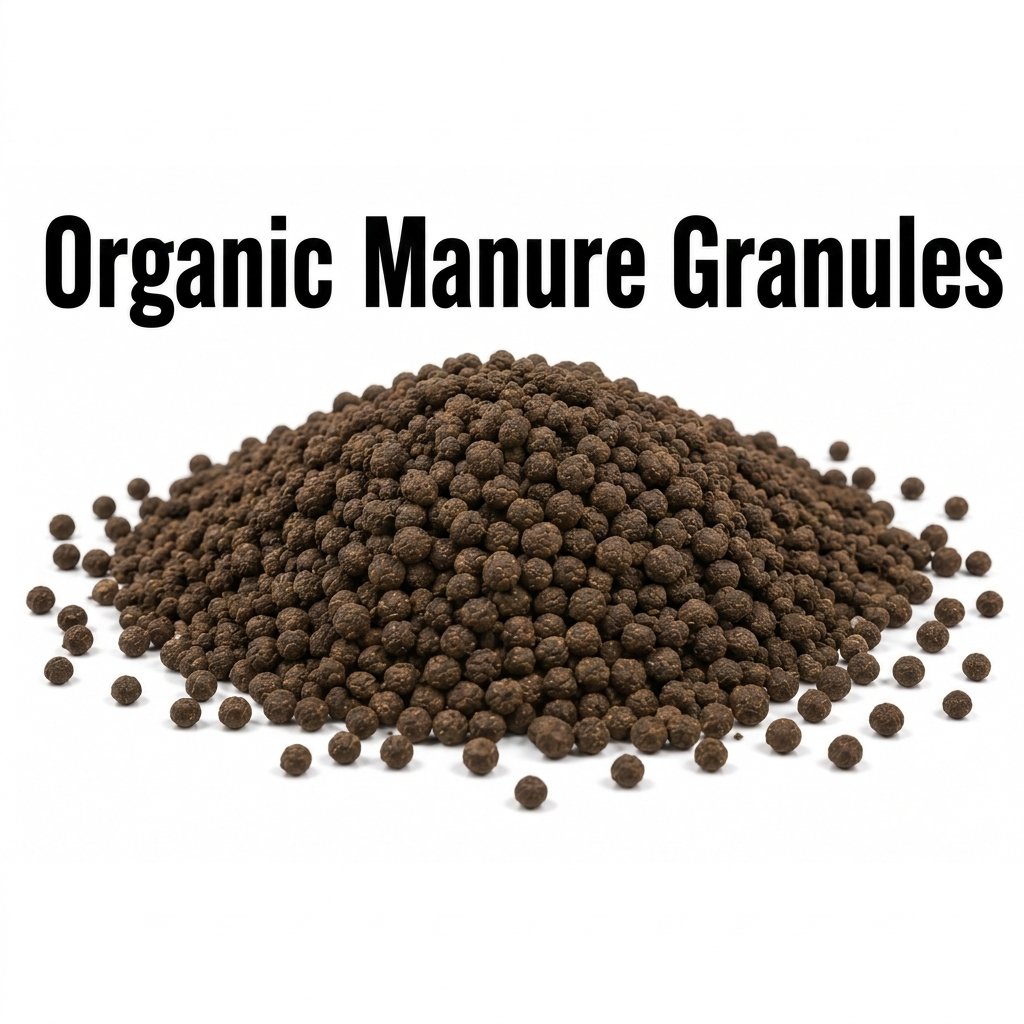
For commercial farming operations, broad-acre crop management requires nutrient-dense inputs that can be applied with absolute precision and unmatched scalability. Securing Bulk Chicken Manure pellets offers a high-performance, scientifically validated alternative to raw, unprocessed poultry litter. Manufactured through a rigorous aerobic composting and thermal pelletization process, this product delivers a highly concentrated payload of primary macronutrients while entirely eliminating volatile weed seeds, harmful pathogens, and destructive nematodes that plague untreated manures. Agronomically, poultry manure represents the most nutrient-dense option among traditional animal wastes, boasting superior nitrogen and phosphorus profiles that are critical for early-stage vegetative vigor. Procuring wholesale Chicken Manure pellets provides an exceptional return on investment for commercial agriculture operations. The uniform, high-density pellet structure ensures seamless integration with mechanized broadcasting equipment, preventing the operational bottlenecks, hopper clogging, and uneven distribution strictly associated with raw manure. Furthermore, the low moisture content significantly reduces logistics and storage costs, allowing a B2B organic fertilizer manufacturer to supply bulk agricultural inputs that farm managers can safely stockpile without risking anaerobic degradation or severe nutrient leaching. Upon application, the pellets function through a biological slow-release mechanism, mineralizing nitrogen in perfect synchronization with the crop's physiological demand curve. By enhancing the baseline of soil organic carbon and stimulating the complex microbial food web, this specific fertilizer
fundamentally rebuilds degraded soil architecture while fulfilling immediate, high-volume crop nutritional requirements without the risk of ammonia toxicity.
The Agronomic Economics of Pelletized Poultry Litter
In the intensely competitive landscape of commercial agriculture, input efficiency dictates overall profitability. Historically, raw poultry manure has been widely utilized for its superior nitrogen content compared to bovine or swine waste. However, the immense logistical friction of handling raw, high-moisture manure—coupled with severe biosecurity risks and highly inconsistent nutrient profiles—has severely limited its utility in precision, large-scale farming. The advent of advanced thermal pelletization has transformed raw chicken manure into a premium, highly sought-after commodity that fundamentally shifts the economics of soil nutrition.
Mechanized Scalability and Precision Application
Commercial farm managers are pivoting rapidly to wholesale Chicken Manure pellets primarily for their operational scalability and mechanical predictability. The uniform structural integrity and standardized bulk density of the pellets ensure flawless compatibility with modern pneumatic spreaders, spinner broadcasters, and automated seed drills. This eliminates the persistent operational bottlenecks caused by the bridging, caking, and clogging of raw compost in hopper mechanisms. As a direct result, agricultural procurement officers can calculate exact application rates per hectare with extreme confidence, minimizing expensive input waste and avoiding the localized nitrogen toxicity, commonly known as ammonia burn, that frequently destroys crop emergence during uneven raw manure applications.
Long-Term Soil Architecture and Sustainable ROI
Beyond sheer operational efficiency, the continuous and exclusive application of synthetic fertilizers has led to a steep decline in the Fertilizer Response Ratio across all major agricultural zones, dropping efficiency levels to alarming historical lows. The soil's vital cation exchange capacity and moisture retention capabilities are critically dependent on maintaining high levels of soil organic carbon. Chicken Manure pellets serve a highly strategic dual function within the
soil profile: they provide an immediate baseline of bioavailable nitrogen to satisfy early crop demands while simultaneously depositing a highly stable carbon matrix into the soil. This carbon matrix acts as an underground reservoir, increasing water infiltration rates and actively buffering the soil against severe drought stress. For the modern B2B organic fertilizer manufacturer, positioning this product involves selling long-term soil resilience alongside immediate crop nutrition. As commercial farms scale their operations to meet global food demands, the strategic transition to pelletized poultry manure represents a critical mitigation of risk against synthetic fertilizer price shocks, ensuring sustained yield maximization and soil vitality for future harvest cycles through premium bulk agricultural inputs.
Apply as a basal dressing or foliar spray. Incorporate into topsoil or dilute in water as directed above.